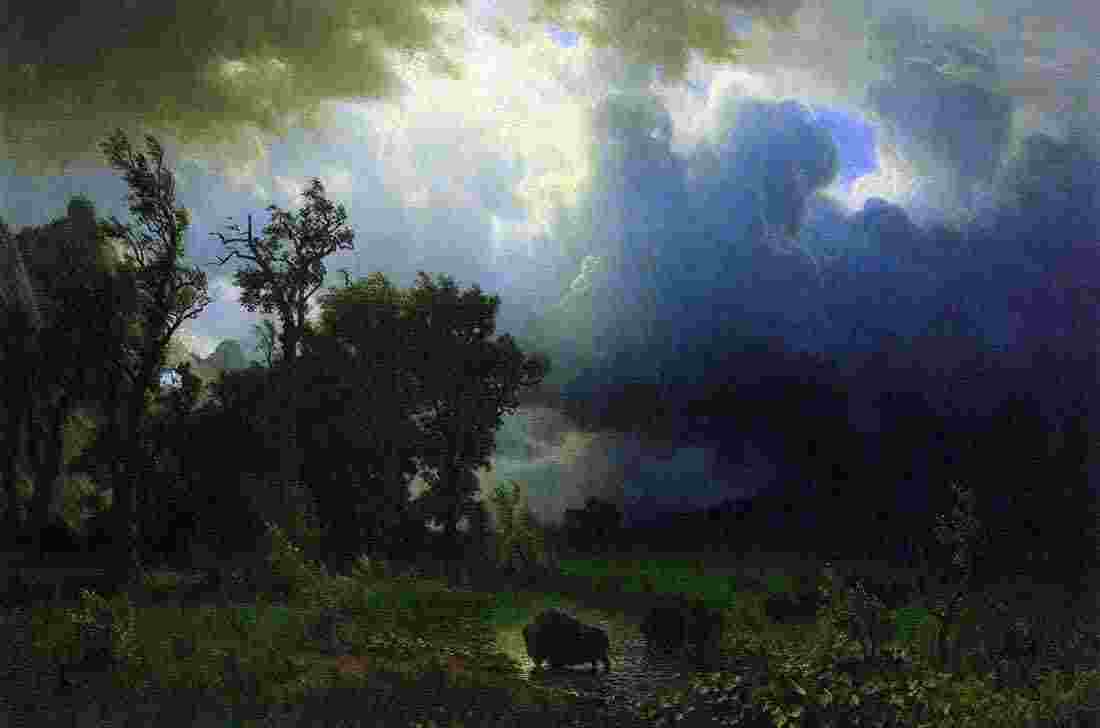

Third Grade Art Lesson 29
Observing Animals, Part 1 Using Our Imaginations
Objective:
The student will be directed to examine a variety of animals. From their studies the student will design their own imaginary animal.
Materials:
White paper, pencil, pictures of animals
Procedure:
Today we will examine how animals are put together. Choose a photograph of an animal that you can study carefully. I will be asking you a variety of questions designed to force you to observe the details of the animal's form. Answer the questions in your mind. If you cannot see something that I ask you a question about, disregard the question or look at another picture. Let's begin: Begin by looking at the shape of the head of your animal. Is it more round, squared or triangular? Look next at the ears on your animal. Are they on the side or on the top of the animal's head? Are they round or pointed? Do they have skin or fur? Now look at the eyes. What shape are the eyes of your animal? Where in relationship to the ears are they on the animal's head? What kinds of things do you think these eyes see all day? Look at the nose and where it is on the face. Is it triangular? Is it round? Is there fur or skin on the nose? Do you see any whiskers on the nose? Find the mouth. How is the mouth placed in relation to the nose and chin? Do you see any teeth or fangs or tusks? Can the animal smile? Look back at the top of the head of your animal. Do you see any antlers? Do think your animal ought to have any antlers? Follow along to find the neck. Some animals have extremely short necks; some are very long. Notice the jawline as well as the shoulder blade that are at each end of the neck. What overall shape is the body of your animal? Round, square, oval? Are there any patterns in the skin or on the fur, and can you describe them? Notice the legs. Does the animal use all four legs or just two to walk? Are there hooves or paws at the end of the leg? Do these legs look strong? Notice how they are connected to the body. Look at the tail. If you can see a tail, what type of tail does your animal have? Why does your animal have a tail like that? Does this animal look like one you would want for a pet? Is it fierce or gentle? Would your mother like to have it in the house? Choose another animal and go through these questions again to direct your observation. Do this with as many animals as time allows. Once you have looked at a number of animals, consider several body parts being on another animal. How would an elephant's trunk look on a rabbit? Would a horse's tail fit on a deer? Spend some time thinking about an animal that you can design. Draw this imaginary animal off on your white paper. Be sure to draw lightly. We will color in our drawings next lesson.
Conclusion:
Learning to look is one of our primary goals. By breaking down the steps and looking at different parts of animals, we sharpen our ability to observe. Spend time this week carefully looking and observing your pets and animals around your neighborhood.
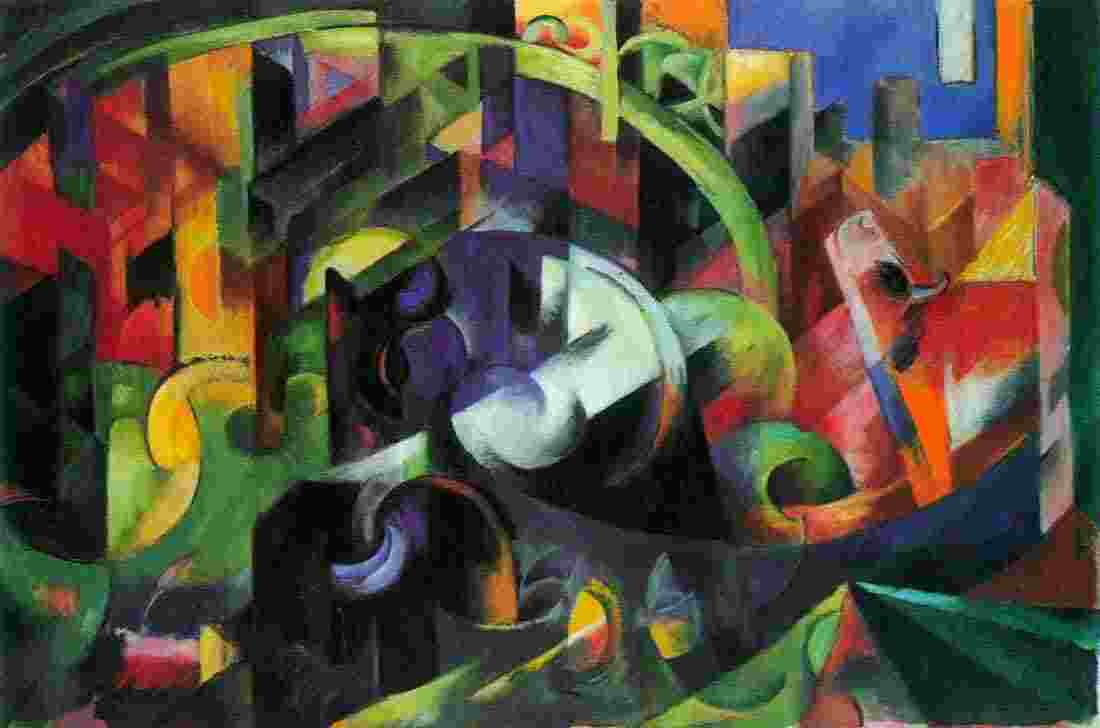
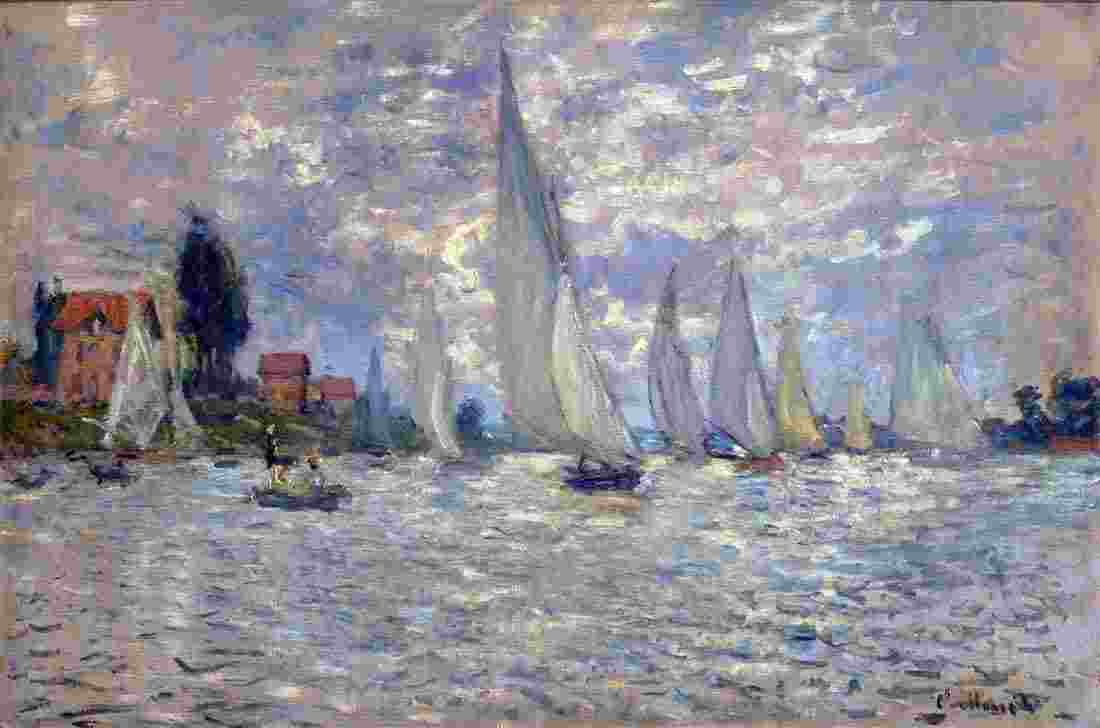
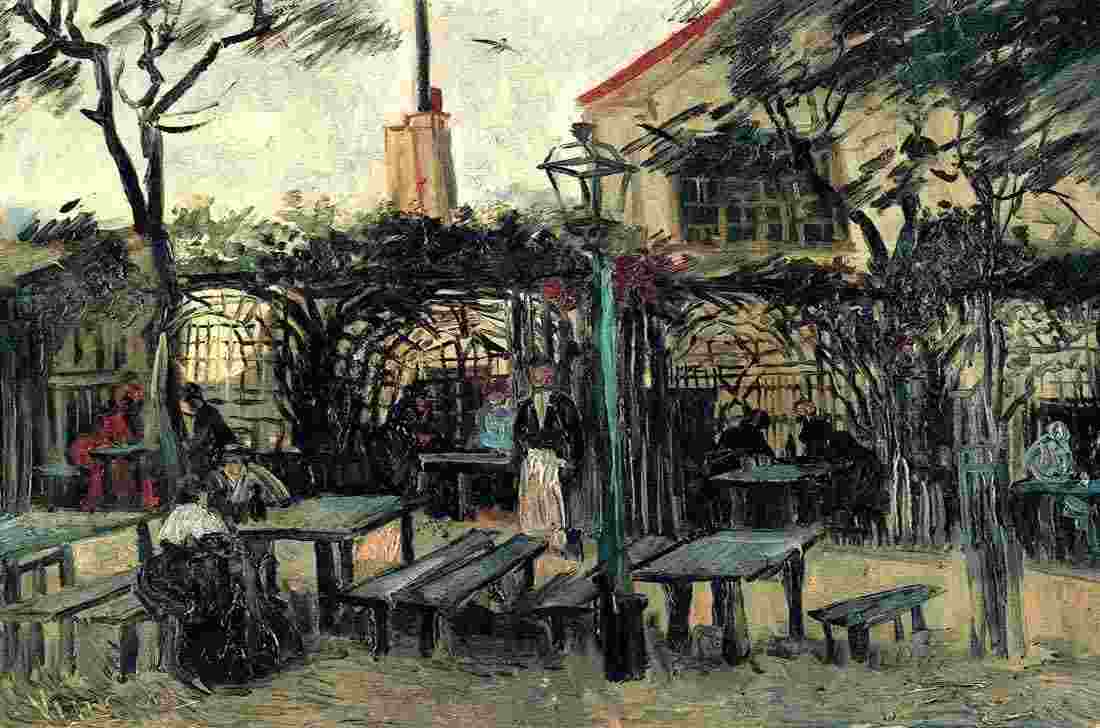
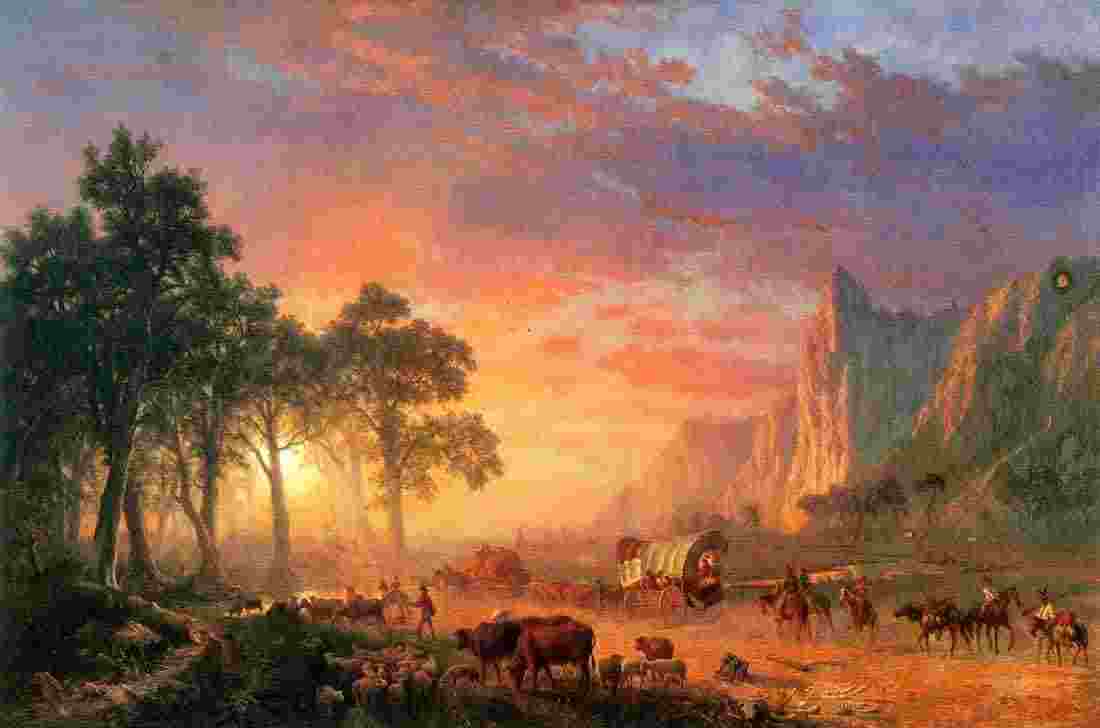
Artwork and Examples used in this lesson
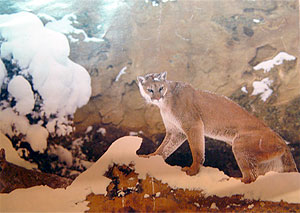
Animal Examples
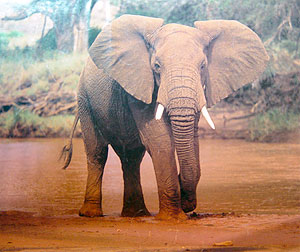
Animal Examples
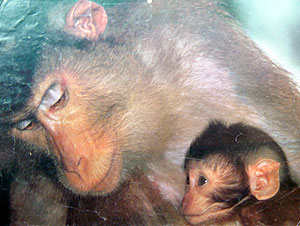
Animal Examples
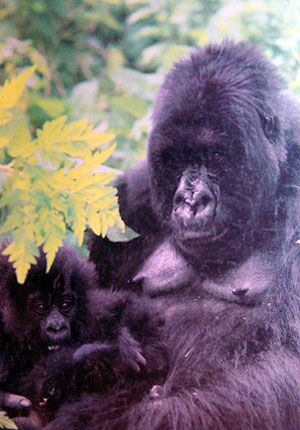
Animal Examples
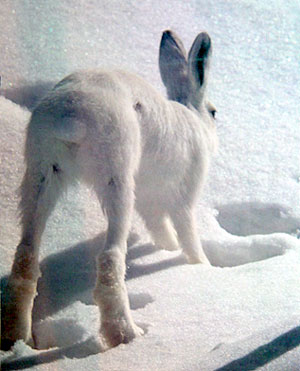
Animal Examples
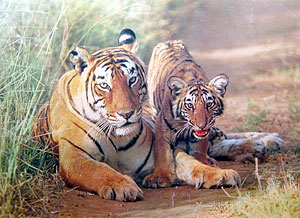
Animal Examples
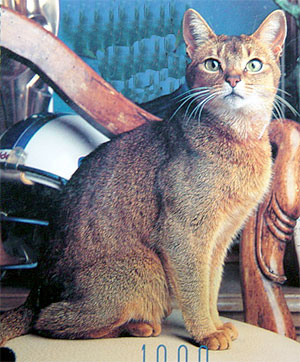
Animal Examples
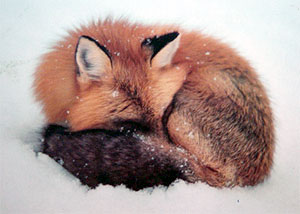
Animal Examples




Arttango © All Rights Reserved 2013. All logos and images used on this site are the property of the rightful owner