


Second Grade Art Lesson 9
Color Theory, Part 2 Painting an Object with Complimentary Colors
Objective:
The student will exercise looking at an object to represent it and will do so using the complimentary color of the background. The student will also experience using uncommon tools for painting.
Materials:
Painted background from last lesson, tempera paint, q-tips, pencil erasers or other object to use for painting with dots, a simple object such as a small branch of leaves (they need something that is flat and has a simple pattern to it)
Procedure:
Review the color information we learned in the last lesson. Explain that today we will begin painting on the sheet of paper we prepared last week. To begin, you will need to find an object that is relatively flat and has a simple pattern such as a small branch of leaves. We are going to use an unusual tool, a q-tip, to paint with and you will need a small amount of the complimentary color paint. Using the q-tip, dip the end in the paint and begin drawing the shape of your object. (You may want to practice on scrap paper first to get the feel of painting with the dots). Work carefully and resist the urge to go fast, slamming down the dots which eventually makes a mess. Many 2nd graders want to use lines to draw off the object they are working from, but do your best to stay with the dots to define your subject.
Conclusion:
Display the finished work for the entire class to view. Have them tell you the three sets of complimentary colors and name the neutral colors. Encourage them to talk about the work and the objects represented. Steer them toward positive remarks. Have them stand several feet away from the paintings and squint their eyes. Can you see a neutral color?
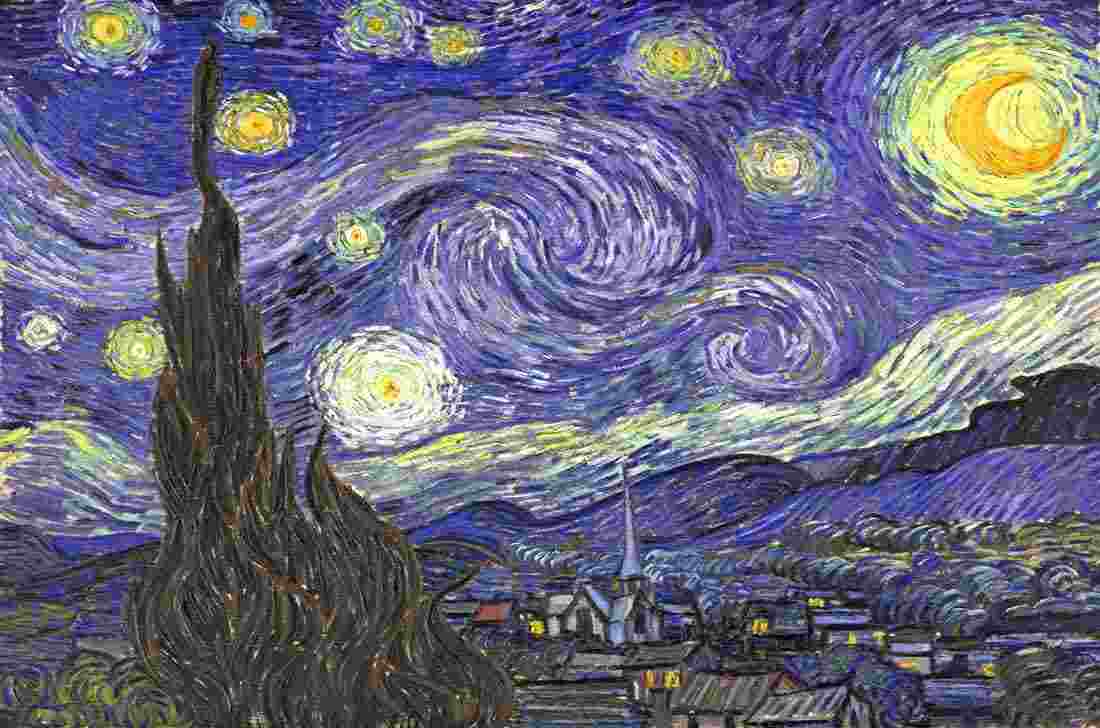
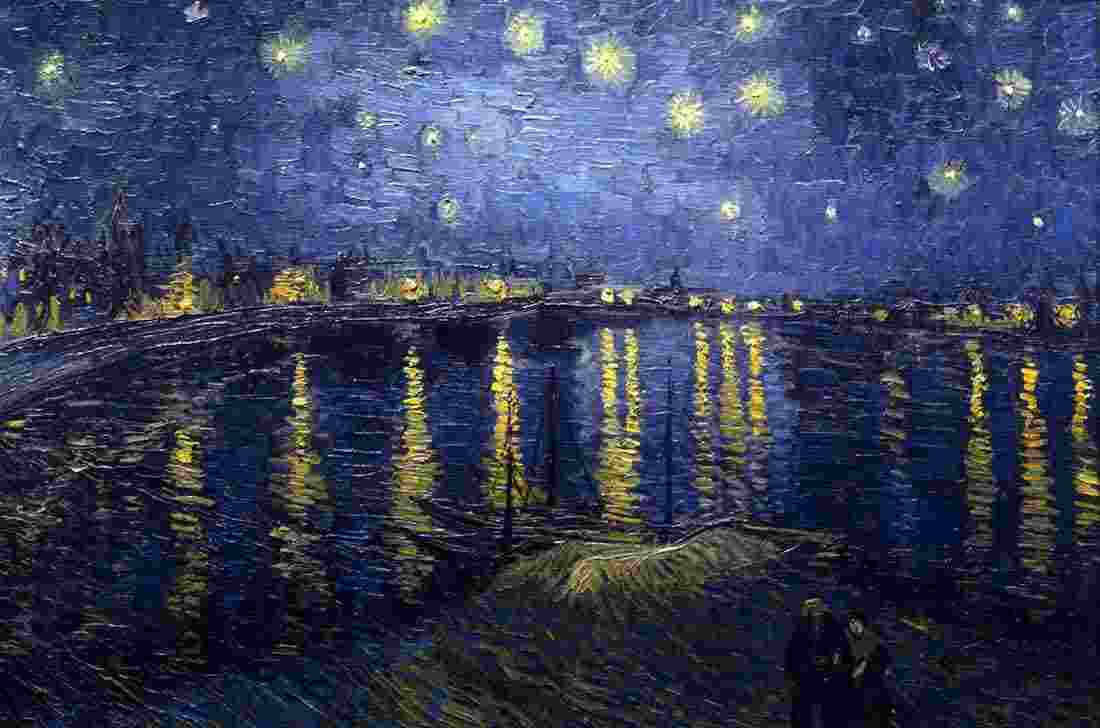
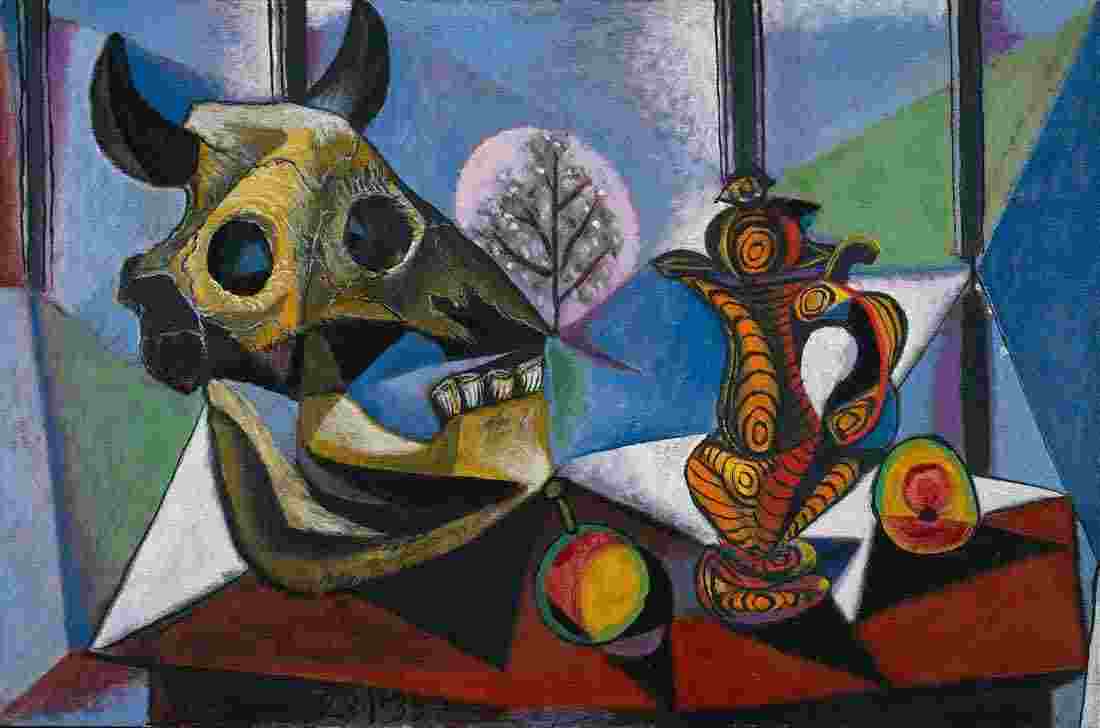
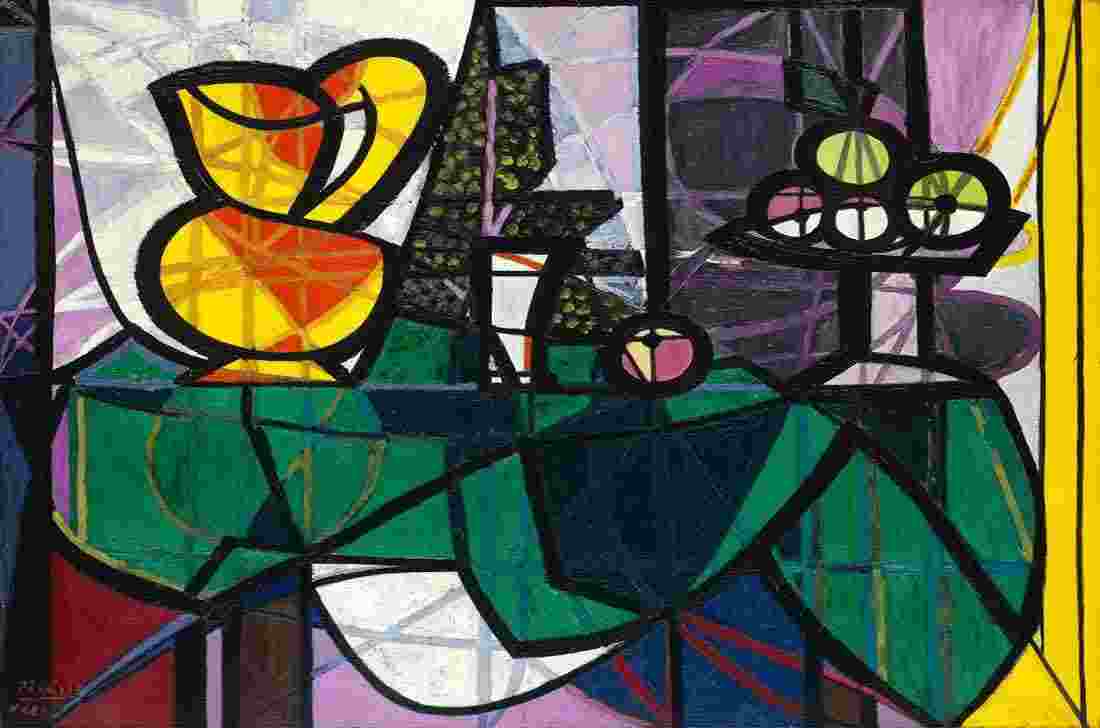
Artwork and Examples used in this lesson
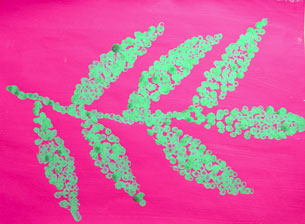
Teachers Example
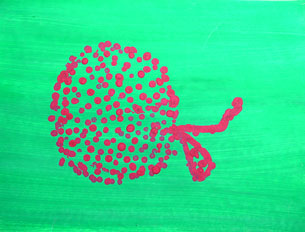
Student Artwork
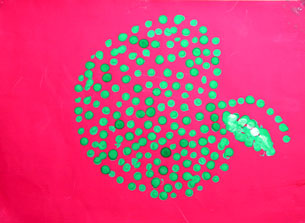
Student Artwork

Student Artwork




Arttango © All Rights Reserved 2013. All logos and images used on this site are the property of the rightful owner