





Second Grade Art Lesson 8
Color Theory, Part 1 Complimentary Colors
Objective:
The students will learn what complimentary colors are and experience creating neutral colors by mixing complimentary colors together.
Materials:
white paper (two sheets per student), tempera paint red, yellow, blue, orange, green and purple and white, paint brushes, paper towels, water, a mixing palett
Procedure:
Today we are going to learn more about color. We are going to focus on complimentary colors. What is a compliment? It's a statement that makes you feel good. Likewise, complimentary colors are colors that look good together. We can find the complimentary colors on the color wheel right across from one another. If I find yellow and draw a line straight across I land on purple. Yellow and purple are complimentary colors. Another set is red and green, then there is orange and blue. These color sets are complimentary because when you mix the two complimentary colors together you get a neutral color. What are the neutral colors? Brown, black, grey and white. These colors work easily in most situations. Let's see how mixing complimentary colors works. Before we begin I want you to take one sheet of your white paper and paint the entire page with any color. Be sure to put your name on the back before you paint. Set these aside and we will use it in our next lesson. On a second sheet of paper, use a pencil or crayon to put an +' sign in the middle of the paper. Move over a little and put an =. Next pick the set of complimentary colors you want to use. Pour a small amount of each color onto your palett. Paint an area on the left side of the plus symbol with one color then use the other color to paint an area on the other side of the plus symbol. Next mix the two complimentary colors together. Paint this color on the right side of the equal sign. Finally, add white to the new color (or better yet add the new color to white it's easier to change white than to use white to change a darker color and it takes a lot less paint). Paint a small area of the new tint. Add more white to make the color even lighter and paint an area on your paper of this same color. Share your findings with your classmates. See if anyone used the same sets of complimentary colors got different neutral colors. Be sure to see (or even do for yourself) what neutral color can be made from each of the three complimentary sets.
Conclusion:
Review what complimentary colors are with the class. Why do we call them complimentary colors? What are the neutral colors? Be sure to store the solid painted paper in a safe place for us to use in our next lesson.
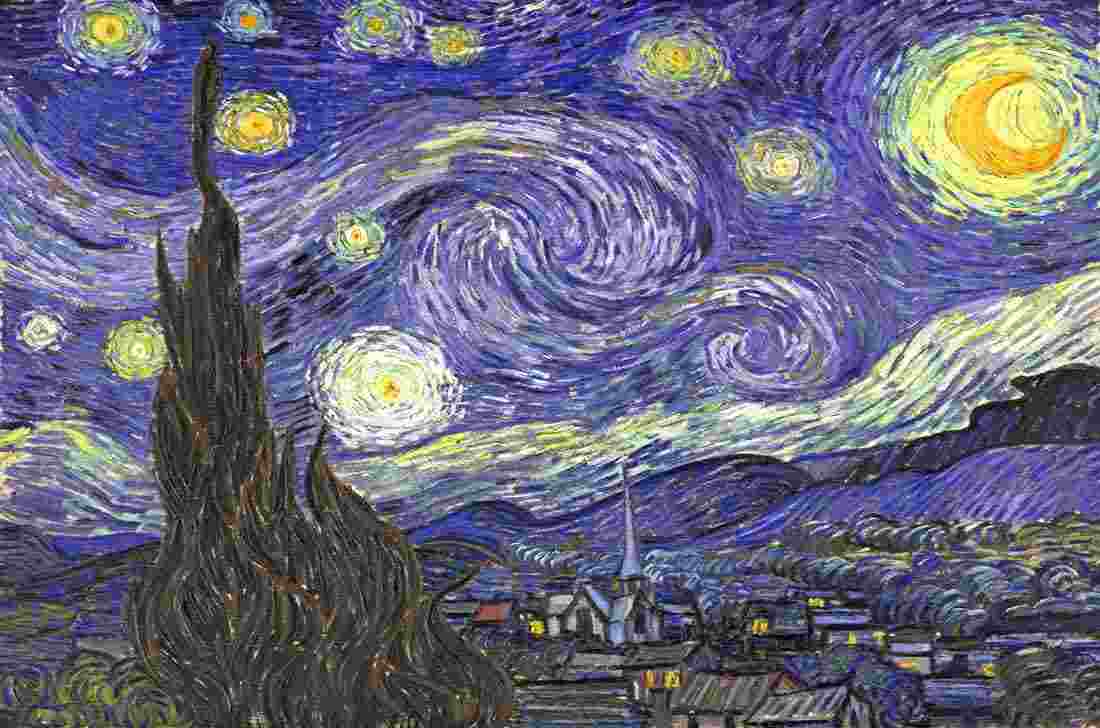
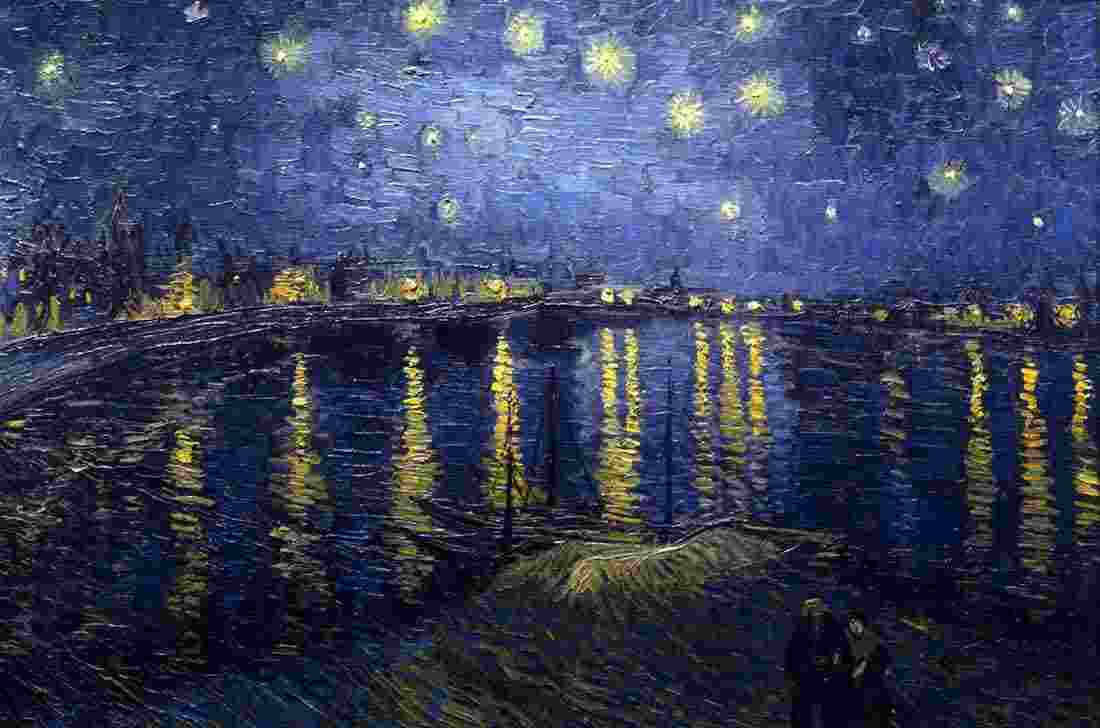
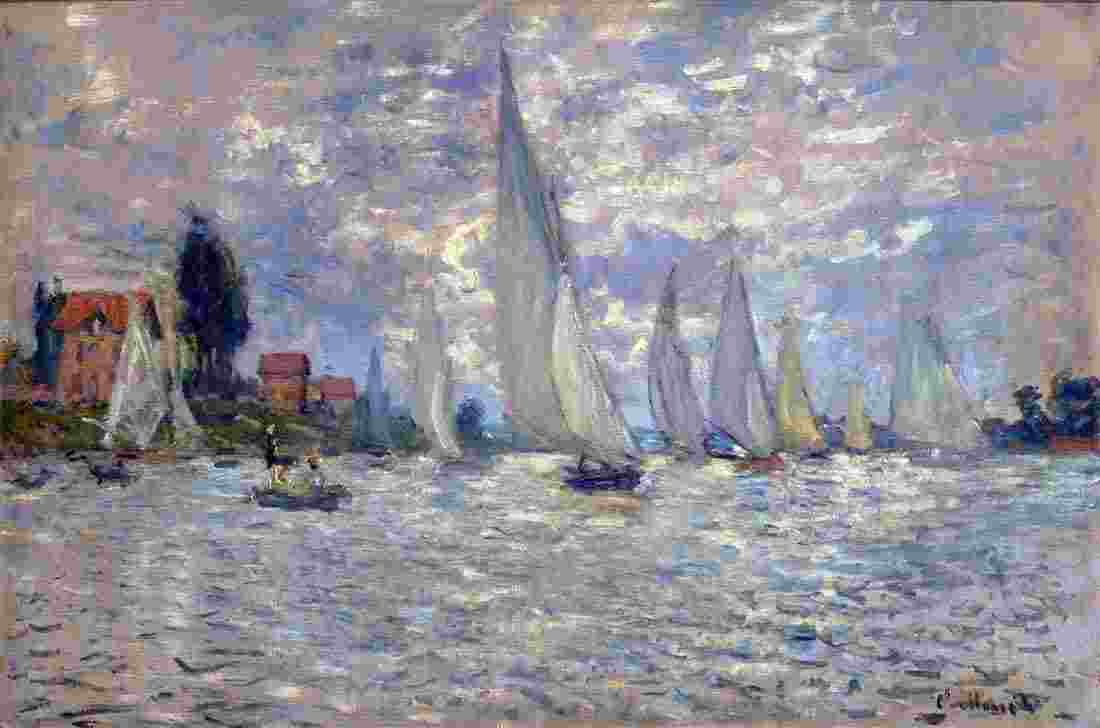
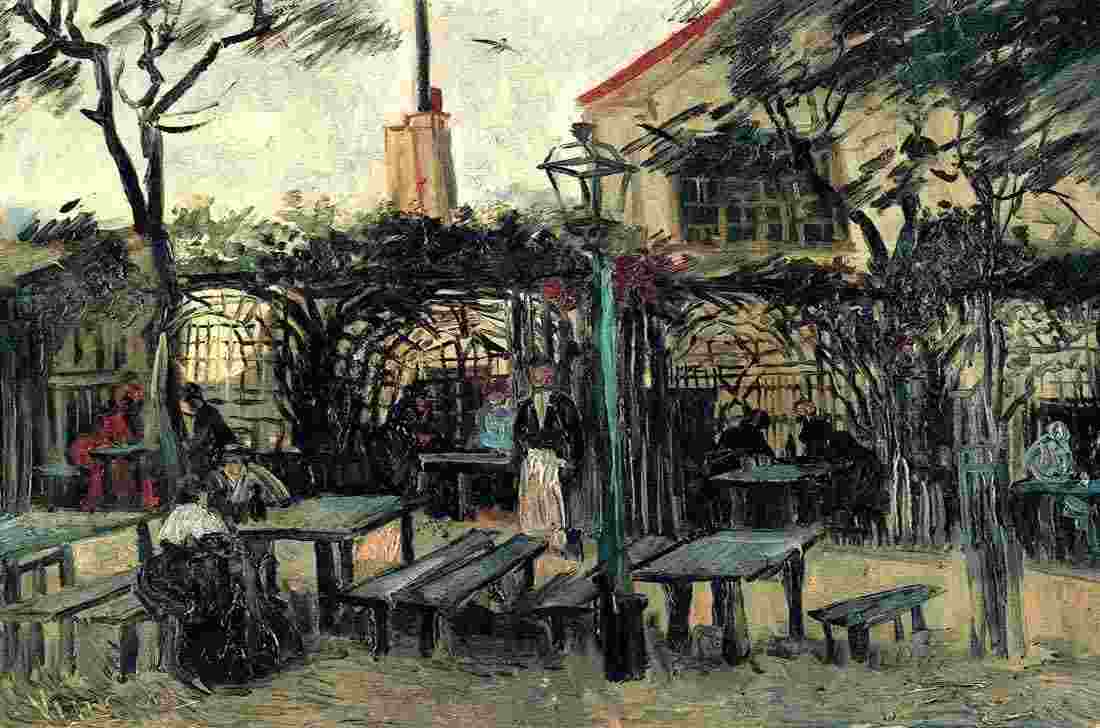
Artwork and Examples used in this lesson

Complimentary Colors